
Dispatching isn’t about phone calls or load boards—it’s about precision under pressure. Every successful logistics dispatch service depends on people who can think fast, communicate clearly, and adapt when plans fall apart. The right skills make the job easier and keep entire supply chains running.
Behind every on-time delivery is a trucking dispatcher who caught a small error before it became a big loss, a driver who trusted the instructions, and a team that stayed calm when the weather turned. These five skills separate good logistics professionals from great ones, and they build the foundation for a lasting career.
1. Strong Communication Skills: The Glue That Holds Operations Together
Every mile starts with a message. Dispatchers, drivers, shippers, and receivers rely on clear communication to keep freight moving. A missed update or unclear instruction can throw off an entire schedule.

Picture this: a driver arrives at a warehouse only to find the load isn’t ready because the appointment was never confirmed. That single mistake can waste hours, burn fuel, and frustrate everyone involved. Clear, proactive communication prevents that.
Strong after-hours logistics support don’t just talk; they anticipate. They verify pickup numbers, confirm delivery windows, and keep everyone in the loop. A calm, concise message can de-escalate a tense driver call faster than any software fix.
Good communication is less about charm and more about clarity. Whether through RingCentral calls, ELD messages, or quick driver texts, the goal is simple: no confusion, no surprises.
2. Tech Fluency & Tool Integration: The New Dispatch Superpower
Modern freight operations runs on screens as much as steering wheels. Platforms like Samsara, Motive, McLeod, and 3GTMS form the digital backbone of transportation. Add systems like RingCentral, and you’ve got an ecosystem designed to make complex operations manageable.

Being tech-savvy doesn’t mean you need to code. It means knowing how to use these tools to keep freight visible, efficient, and compliant. The best dispatchers can interpret dashboards, pull data fast, and act before small issues turn into major ones.
If a truck idles too long on Samsara or drifts off-route, a trained dispatcher can spot it and fix it immediately. When an ELD shows a driver nearing their service limit, a quick call can prevent a violation. Those moments of awareness keep fleets running smoothly.
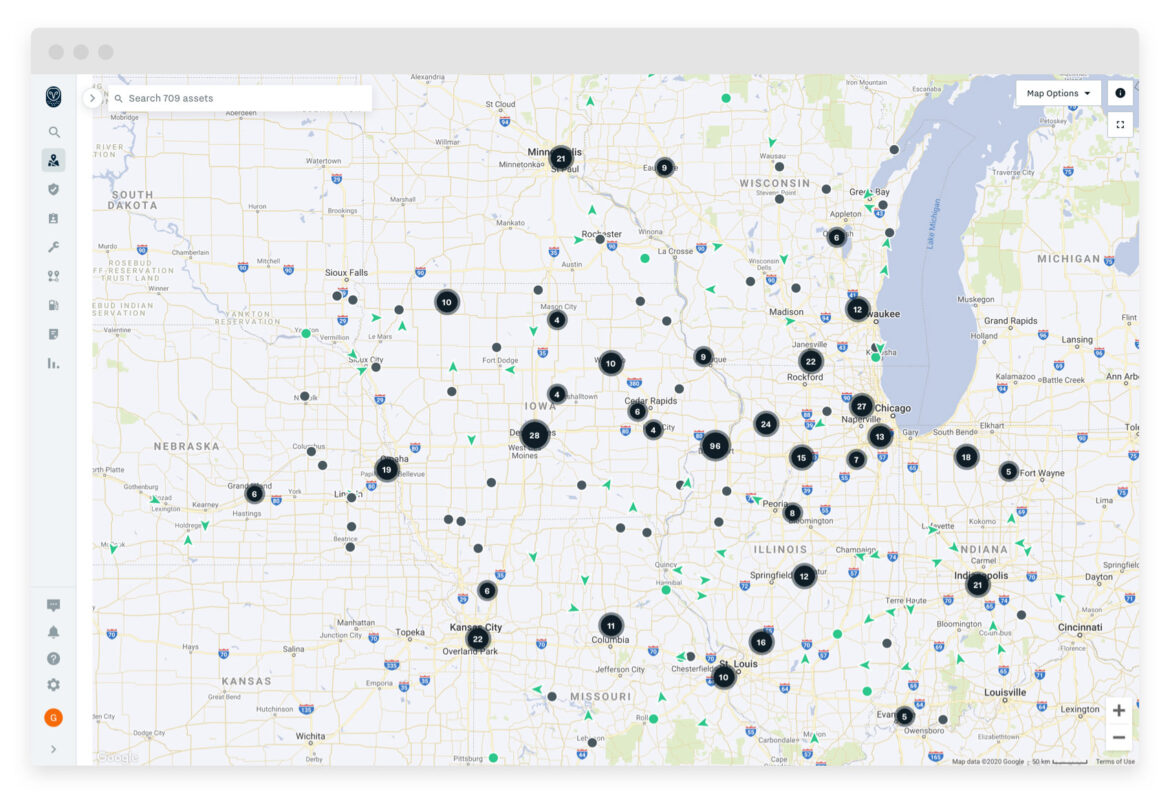
Technology changes constantly, and those who stay curious move ahead. The standout after-hours trucking dispatchers are the ones who can jump between tools and solve problems before anyone else notices them.
3. Attention to Detail: Because Small Mistakes Cost Big Money
In this business, one wrong digit can cause chaos. Typing “54012” instead of “54102” can send a driver hundreds of miles off course.
Attention to detail protects both time and reputation. It’s what ensures the right freight reaches the right dock at the right hour. Think of it like air traffic control: there’s no room for guessing.

A wrong pickup number can lock a driver out of a facility. Forgetting a time zone change can cost an entire day. Even one missing document can trigger detention fees or customer disputes.
Top logistics pros know that slowing down to double-check saves more time than rushing through and fixing mistakes later. That discipline builds trust. When customers realize you don’t miss details, they stop worrying and start depending on you.
4. Stress Management: Staying Calm When the Load Goes Sideways
If there’s one guarantee in logistics, it’s that things will go wrong. Trucks break down. Weather shifts. Receivers close early. Sometimes all three happen before noon.
The best professionals don’t panic; they pivot. When a customer calls upset or a driver breaks down in the middle of nowhere, composure becomes the most valuable tool in the room.
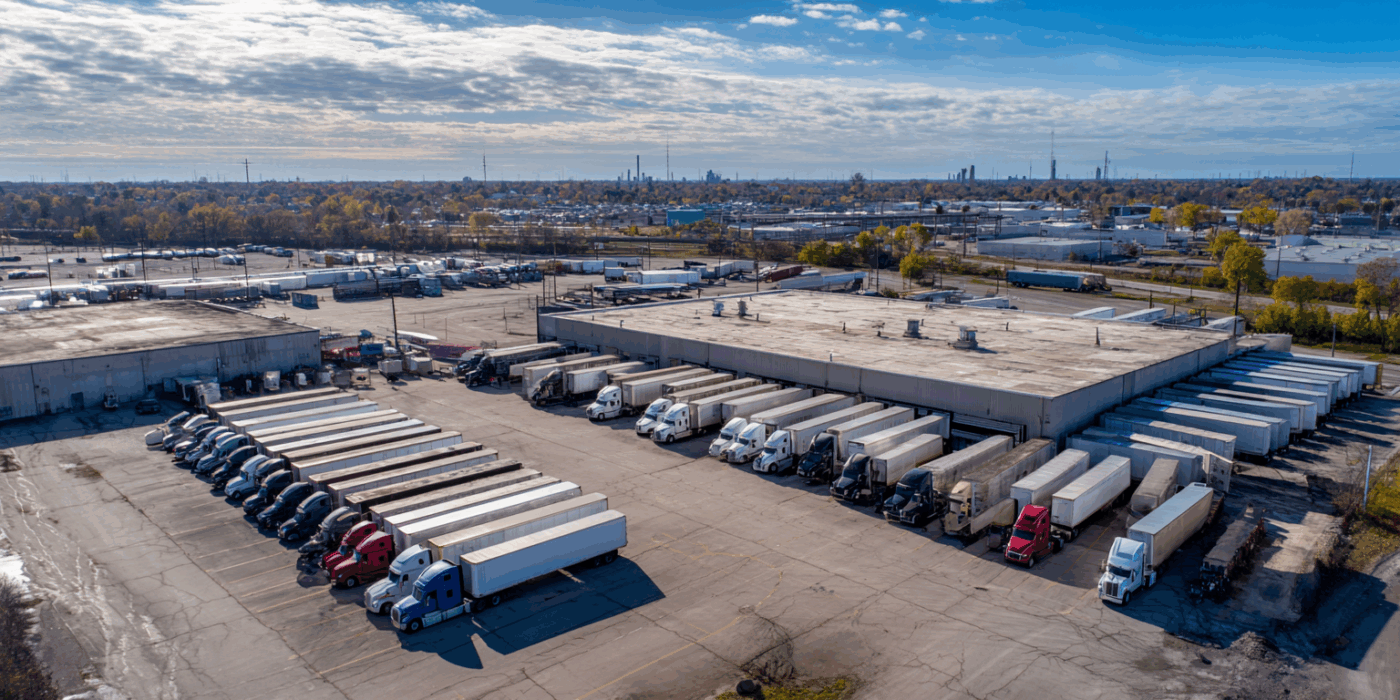
A calm dispatcher can de-escalate tension and refocus the team. A frazzled one spreads chaos. Stress management isn’t just a soft skill; it’s survival. The people who last in logistics aren’t those who avoid stress but those who learn to manage it.
Simple habits help: step away from the screen when things get heated, write down next steps before reacting, and use checklists to stay grounded. Clear minds keep freight moving.
5. Adaptability & People Skills: Navigating Personalities and Change
No two days or people are the same in logistics. One shipper is patient and flexible. Another might hang up mid-call. One driver rolls with the punches. Another resists every change.
Success depends on the best truck dispatchers having high emotional intelligence. The ability to read a tone, adapt your approach, and find common ground makes all the difference.

When a receiver closes early, adaptability means finding another drop-off point. When a driver’s ELD malfunctions, it means getting creative to stay compliant. When a customer is upset, it means listening first, not defending.
Flexibility turns unpredictable days into manageable ones. People who can shift gears quickly, without resentment, become the ones everyone counts on.
This industry runs on relationships as much as loads. Dispatchers who keep conversations respectful and steady under pressure build networks that last.
Bringing It All Together: The Skills That Build Longevity
The logistics world rewards people who learn fast and stay grounded. These five skills—communication, tech fluency, attention to detail, stress management, and adaptability—aren’t buzzwords. They’re the foundation of every strong career in this field.
When you master them, you do more than move freight. You move people, projects, and possibilities. You become the calm in the storm, the voice drivers trust, and the teammate customers remember.
In a world that never stops moving, success belongs to those who stay steady in motion. Master these skills, and you’ll not only land a job, but you’ll build a future that’s sustainable, respected, and rewarding.
At Ninja Dispatch, these five skills are part of our daily practice. Our team uses communication, tech fluency, and adaptability to keep fleets moving and drivers supported 24/7. See how Ninja Dispatch applies these skills daily to keep U.S. fleets running through the night. Schedule a short consultation to audit your after-hours coverage.